







Search Results for: Difference Between Washed and Natural

Understanding the Ethiopian Coffee Bean Grading System: What Exactly Is the Difference Between Yirgacheffe G1 and G2?
Yirgacheffe is one of Ethiopia's most representative specialty coffee regions, and Front Street Yirgacheffe G1 and Front Street Yirgacheffe G2 are the two beans most easily available for everyday purchase. What exactly is the difference between G1 and G2? Which one is of better quality? To answer these questions, one must first understand Ethiopia's coffee grading system. From the evaluation perspective of Front Street Coffee, this article sorts out the origins and development of the two grading systems, CLU and ECX, analyzes the respective scoring dimensions of washed and natural processing, and presents the real differences between Front Street Yirgacheffe G1 and G2 through a direct comparison of green bean appearance, roasted bean appearance, and cupping flavor. [more…]
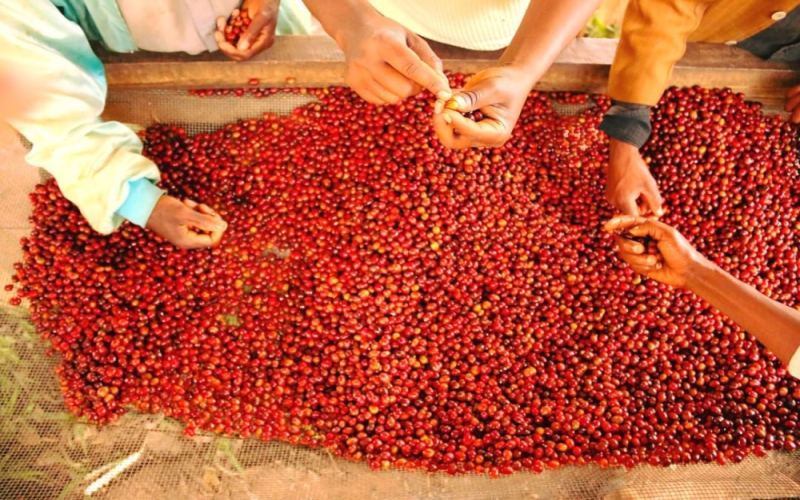
What's the difference between natural and washed Yirgacheffe? A full breakdown from origin stories to brewing and roasting
Yirgacheffe is Ethiopia's most iconic specialty coffee region, renowned for its citric acidity and floral-fruity aromas. Coffee beans from the same region take on截然 different flavor profiles after natural (dry) or washed processing. From the perspective of Front Street Coffee, this article outlines Yirgacheffe's regional background, grading system, the essential differences between the two processing methods, and corresponding roasting and brewing recommendations. Whether you prefer the clean, bright washed style or favor the fermented sweetness of the natural style, you'll find practical reference information and flavor descriptions here. [more…]

What's the difference between washed and natural coffee beans? A complete analysis from processing methods to Yirgacheffe flavor comparison
As a fruit that wins with its seeds rather than its flesh, coffee's charm lies in its ability to release rich layers of fruity notes and floral aromas after roasting. Beans from the same origin, whether processed by the natural method or the washed method, can taste worlds apart in the final cup. This article, from the perspective of Front Street Coffee, systematically sorts out the processing differences between the natural method and the washed method, and uses Yirgacheffe as an example to compare the specific performance of the two processing methods in dry aroma, mouthfeel, and pour-over parameters, helping enthusiasts understand how processing methods shape the flavor direction of coffee. [more…]

What is the difference between sun-dried and washed Yirgacheffe? A complete comparative analysis from processing method to brewing flavor
Yirgacheffe is Ethiopia's most representative specialty coffee region, and the two processing methods—natural and washed—give it completely different flavor directions. Through actual brewing comparisons, this article sorts out the specific differences between washed Yirgacheffe and natural Yirgacheffe in acidity, aroma, and mouthfeel, traces the background of the introduction of washed processing and its procedures, and explains in detail the strict screening standards for natural beans. The article also includes complete pour-over recipes for Front Street Coffee. Washed Yirgacheffe and Front Street Coffee. Natural Yirgacheffe, including the V60 dripper, water temperature, coffee-to-water ratio, grind size, and three-stage pouring rhythm, helping coffee enthusiasts reproduce the delicate floral notes and full fruity charm at home. [more…]

A Detailed Explanation of Ethiopia's Coffee Grading System: Grade Differences and Flavor Comparison Between Yirgacheffe G1 and G2
Yirgacheffe is one of Ethiopia's most representative specialty coffee regions, but what exactly is the difference between the commonly found Front Street Yirgacheffe G1 and G2 coffee beans? Which grade is higher? Behind this lies Ethiopia's complex coffee grading system. Starting from CoffeeHunters' review, this article systematically sorts out Ethiopia's coffee grading standards, compares the differences between G1 and G2 in defect rate, cupping score, and flavor performance, and helps coffee lovers gain a deeper understanding of the secrets of Yirgacheffe's grades. [more…]
A Detailed Explanation of the Ethiopian Coffee Bean Grading System: Standard Differences and Flavor Comparison Between Yirgacheffe G1 and G2
As the birthplace of coffee, Ethiopia's grading system directly affects the quality and flavor expression of coffee beans. The Yirgacheffe region is world-renowned, but what exactly is the difference between the commonly seen Front Street Yirgacheffe G1 and G2 coffee beans on the market? Behind this lies the evolution of Ethiopia's coffee grading system. From CLU to ECX, from simple defect counting to a comprehensive score combining physical characteristics and cupping flavor, the grading standards have undergone major changes. This article will systematically review the historical development and specific standards of Ethiopian coffee grading, compare the grading differences between washed and natural processing, and through three dimensions—green bean appearance, roasted bean appearance, and cupping flavor—deeply analyze the actual differences between Front Street Yirgacheffe G1 and G2, helping coffee enthusiasts understand the quality implications behind the grade numbers. [more…]
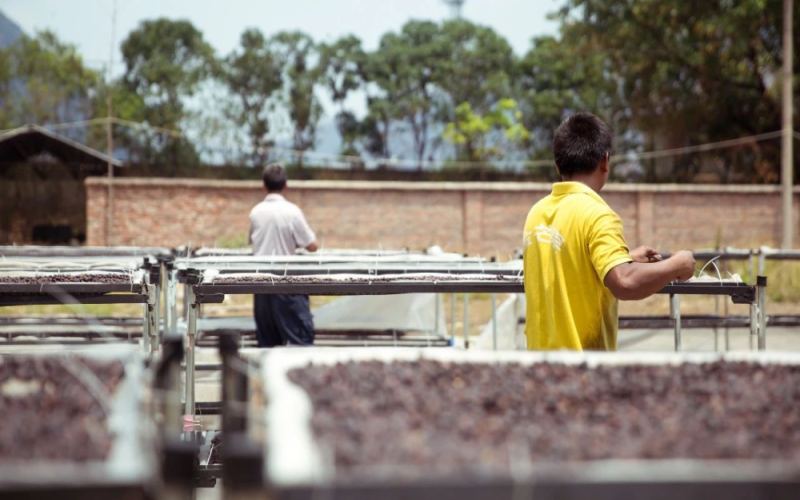
What's the difference between washed and natural coffee beans? Comparing flavor, sweetness, and processing method differences from Blue Mountain to Geisha
Washed and natural are the two most classic coffee processing methods. How do different processing methods affect the flavor direction of the same bean? Front Street Coffee uses Jamaica Blue Mountain No. 1 and Panama Hacienda La Esmeralda Blue Label Geisha as samples, comparing their washed and natural versions respectively, conducting a comprehensive analysis from processing principles, green bean appearance, roasting curves, to cup tasting flavors. The article also explains in detail the refined natural process, the details of washed fermentation, and the actual performance of the two processing methods in terms of sweetness, cleanliness, and layering, helping coffee enthusiasts understand the flavor logic that natural tends to be sweeter while washed tends to be cleaner. [more…]
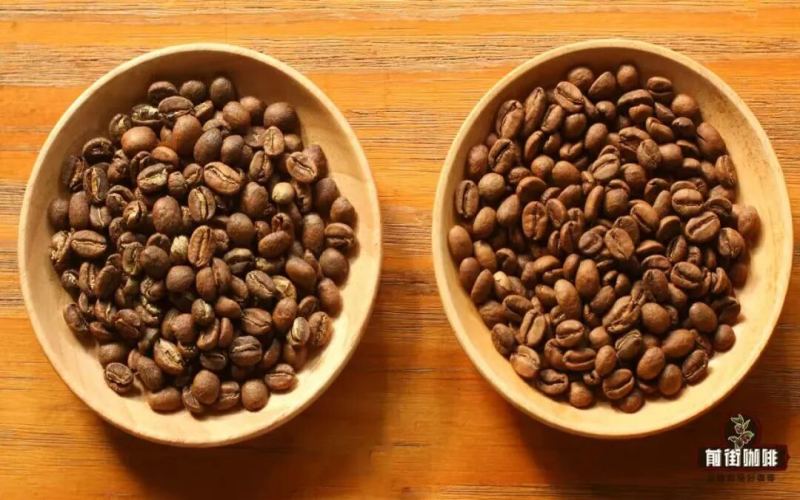
Coffee Bean Identification | What Are the Differences Between Washed and Natural Coffee? How Can Coffee Beginners Learn to Tell Natural Beans from Washed Beans?
If you often drink pour-over coffee, Front Street believes you've probably seen friends who can tell washed and natural processed coffee apart at a glance, or with a single sip. Because they distinguish them so quickly, many friends are amazed and wonder how on earth they do it. Just yesterday, [more…]
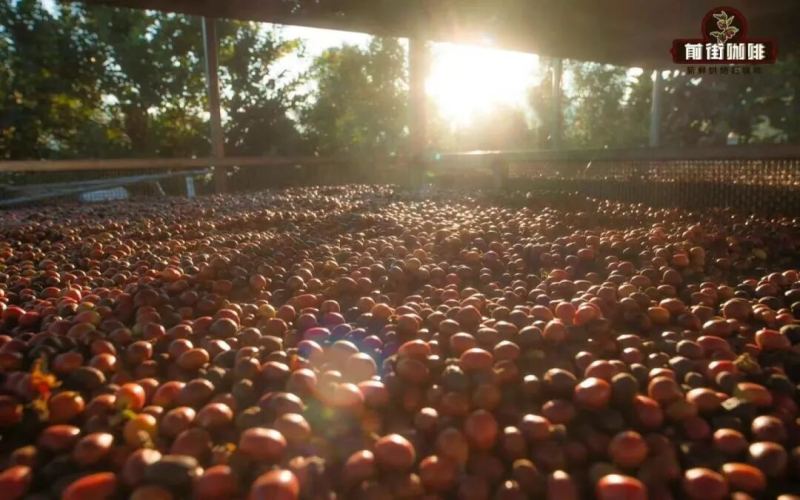
Coffee Processing Methods | What is the difference between semi-washed, natural, washed, and honey processing? What flavor and mouthfeel characteristics do different processing methods give coffee?
The natural process, as the name suggests, is to spread the harvested coffee cherries flat on the ground (on dedicated drying nets or patios) and use direct sunlight (for about 2-3 weeks) to remove moisture from the coffee fruit until the moisture content reaches the target level, after which machines are used to remove the dried husk to obtain the green coffee beans we want. Natural process [more…]

What is the difference between Ethiopian Yirgacheffe and Sidamo? A brewing flavor comparison of washed Gedingding and natural Huakui
Ethiopia, as the birthplace of coffee, has two major producing regions—Yirgacheffe and Sidamo—that enthusiasts often compare. Front Street Coffee has long recommended these two types of beans, and this article will systematically sort out the differences between them, from varieties and regional backgrounds to processing methods and actual brewing. It focuses on the brewing parameters and flavor performance of Front Street Yirgacheffe Gutingding (washed) and Front Street Sidamo Huakui (natural), and explains the effects of water temperature, grind size, and other factors on extraction, helping readers more clearly understand the style characteristics and selection directions of the two producing regions. [more…]

Panama Hacienda La Esmeralda Sun-Dried Geisha Comparison: What Exactly Is the Difference Between Blue Label and Green Label?
In the world of specialty coffee, the Geisha from Panama's Hacienda La Esmeralda is undoubtedly a benchmark existence. Front Street Coffee has recently simultaneously launched two Geisha offerings—the Natural Blue Label and the Natural Green Label—sparking curiosity among many coffee enthusiasts: both are naturally processed Geisha, so what exactly is the difference between the Blue Label and the Green Label? This article will begin with the origins and rise to fame of Geisha, outline the classification standards for Hacienda La Esmeralda's Red, Green, and Blue Label Geisha, and focus on comparing the similarities and differences between the Natural Blue Label and Natural Green Label in terms of altitude, production region, and flavor performance. At the same time, Front Street will also share the brewing parameters and tasting experience for the Natural Green Label, guiding you through a comprehensive understanding of the unique charm of each of these two Geisha offerings. [more…]
Comparison of Coffee Processing Methods | What's the Difference Between Washed and Natural Beans? 5 Classic High-Quality Washed Pour-Over Coffee Beans Every Beginner Must Buy
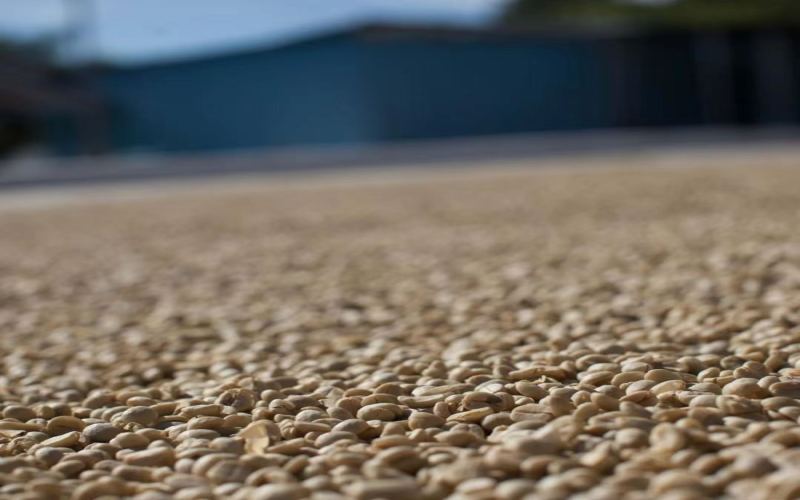
The wet process (washed method) was invented by the Dutch in the 18th century. Because some countries often experience rain and high humidity, making it impossible to use the dry process, although the procedure is relatively more complicated, it is currently the most widely used [more…]

Introduction to Anaerobic Fermentation in Coffee | What Is the Anaerobic Fermentation Processing Method? What Is the Difference Between Anaerobic Natural, Anaerobic Washed, and Double Anaerobic Coffee Processing Methods?
Anaerobic Fermentation has been very popular in the coffee world in recent years, mainly because Sasa Sestic, the Australian competitor who won the 2015 WBC, started this trend, and even in 2018 WB [more…]

What's the difference between natural and washed coffee? A guide from processing steps to flavor characteristics to help you quickly identify coffee bean processing methods
Coffee beans from the same origin can present completely different flavor profiles simply because of different processing methods. Natural and washed, as the two most classic processing methods, each give coffee beans a unique imprint of character. Starting from real tasting scenarios at Front Street stores, this article introduces the complete processes of the two processing methods, and uses Ethiopia Yirgacheffe Natural Red Cherry and Washed Kochere as comparative samples to experience the flavor differences under the same brewing parameters, thereby understanding the principles behind the differences. Once you master this method, you will also be able to quickly identify a bean's processing method the next time a cup of coffee touches your lips, truly advancing to become a coffee tasting expert. [more…]

What's the Difference Between Washed and Natural Yirgacheffe? A Comprehensive Comparison from Processing Method to Cup Flavor
Yirgacheffe is both a high-altitude town in Ethiopia and the name of a highly representative producing region in the specialty coffee world. Coffee beans grown on the same land, after undergoing two completely different green bean processing methods—washed or natural—present markedly different flavor profiles. Washed Yirgacheffe is known for its bright acidity and floral-citrus notes, while natural Yirgacheffe wins hearts with its rich fruity aroma, fermented wine-like character, and full body. This article will systematically sort out the core differences between the two types of Yirgacheffe, from processing methods, grade classification, and cup profile to optimal brewing parameters, and will include specific flavor descriptions and V60 brewing recommendations for Front Street G1 washed and natural Yirgacheffe, helping coffee lovers more clearly choose the cup that suits their taste. [more…]

Ethiopian Specialty Hand-Brew Beans | Why Is Sidamo Yirgacheffe Coffee So Aromatic? Is There a Big Flavor Difference Between Washed and Natural Yirgacheffe?
Yirgacheffe is a small town in southern Ethiopia, originally part of Sidamo Province. Later, because of its distinctive white floral aroma and citrus flavor, which left a deep impression on everyone who tasted it, Yirgacheffe became independent from the Sidamo region, officially ushering in a new era of acidic coffee and becoming [more…]
Analyzing the Grade Difference Between Ethiopian Coffee Beans G1 and G2: A Case Study of Washed Yirgacheffe Beans
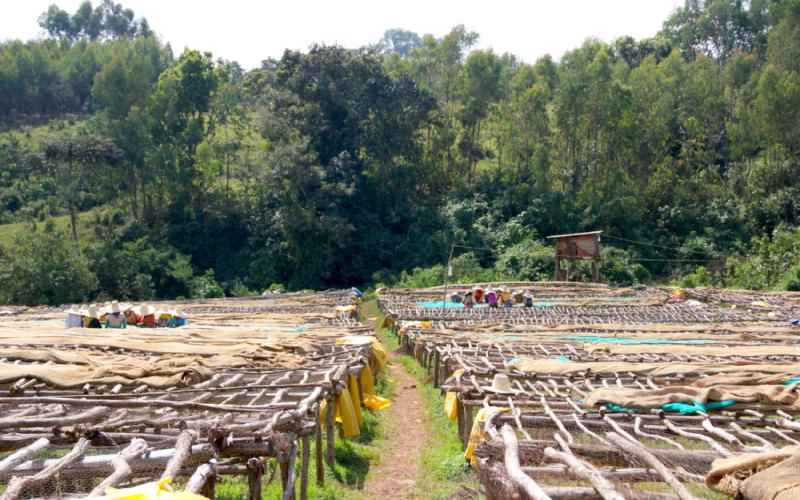
Ethiopia, as the genetic repository of Arabica, has a truly unique coffee bean grading system. Because there are so many varieties, most growing wild or semi-wild, coffee farmers often process them in mixed batches at harvest, making it difficult to grade by size. As a result, the Ethiopian government chose to use defect rate as the primary criterion. After the new ECX system was implemented in 2009, cupping scores were also incorporated into the rating system, finally giving natural-process beans a chance to rank among G1 and G2. So, for washed Yirgacheffe of the same origin, just how big is the difference between G1 and G2? Front Street Coffee takes Kochere G1 and a washed Yirgacheffe everyday drinking bean G2 as examples, comparing green bean appearance, defect rate, and cupping flavor to give you a closer look. [more…]
Analyzing the G1 Grade Difference Between Ethiopian Sidamo and Yirgacheffe: Flavor Characteristics of Washed Yirgacheffe
Yirgacheffe and Sidamo both belong to the southern producing regions of Ethiopia, yet because of its unique floral aroma and citrus notes, Yirgacheffe was separated from Sidamo Province and became a benchmark in the specialty coffee world. This article breaks down the appeal of Yirgacheffe one by one, from the producing region's background, washed processing techniques, and G1 grade classification, to a specific comparison of the flavors of Front Street Coffee's washed Giddingding and natural Red Cherry. If you have not yet experienced the classic Yirgacheffe flavor, you may want to follow this article to learn what makes this coffee, with its bright acidity and richly layered aroma, so special. [more…]

African Coffee Flavor Analysis | Both Are Yirgacheffe, What's the Difference Between Washed Gutingding vs. Natural Red Cherry? Must-Buy Floral and Fruity Coffee Bean Recommendations for Pour-Over Beginners
For more specialty coffee knowledge, please follow our WeChat official account: Front Street Coffee (FrontStreet Coffee). As a fan of floral and fruity coffees, Front Street features several Ethiopian coffee beans on its bean list, the most representative of which are the washed Gedingding Cooperative, sun-dried Red Cherry, and Sidamo floral [more…]
Yirgacheffe Region Flavors | What's the Difference Between Ethiopian Washed and Natural Yirgacheffe? How Should Yirgacheffe Washed Coffee Beans Be Roasted?
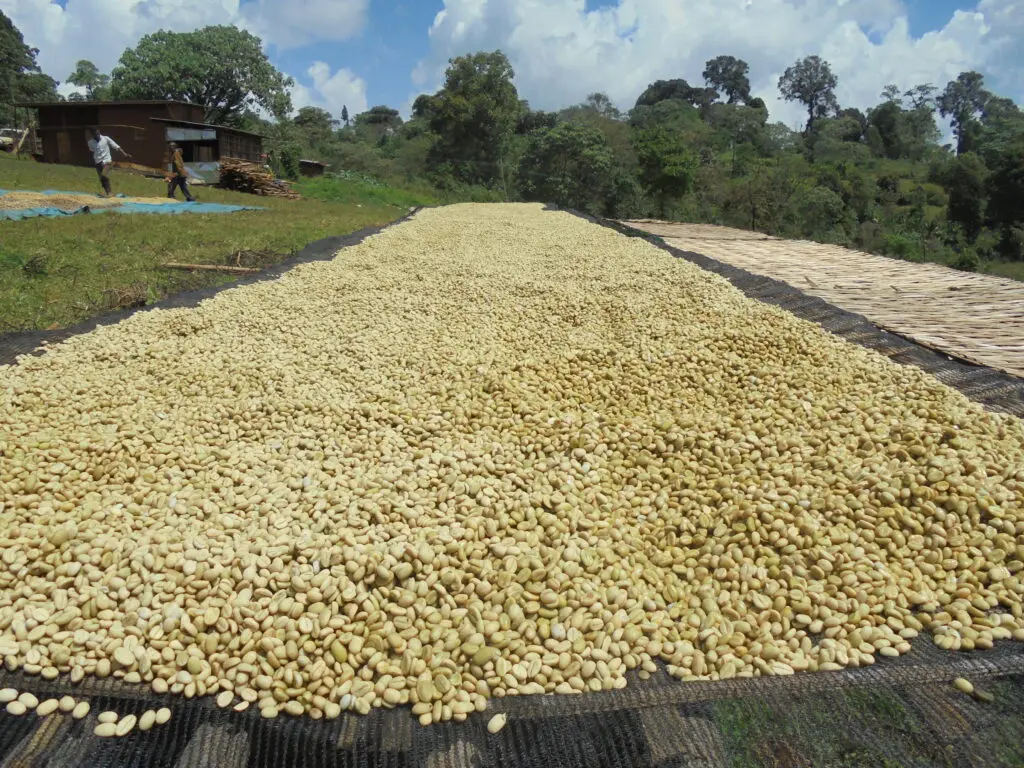
Yirgacheffe is a coffee region that everyone is surely familiar with. Its bright acidity and clean, refreshing coffee flavor have made it the first specialty pour-over coffee bean for many people. In recent years, Yirgacheffe has sparked a revival of the natural (sun-dried) style. In many people's memories, Yirgacheffe has always been washed [more…]